
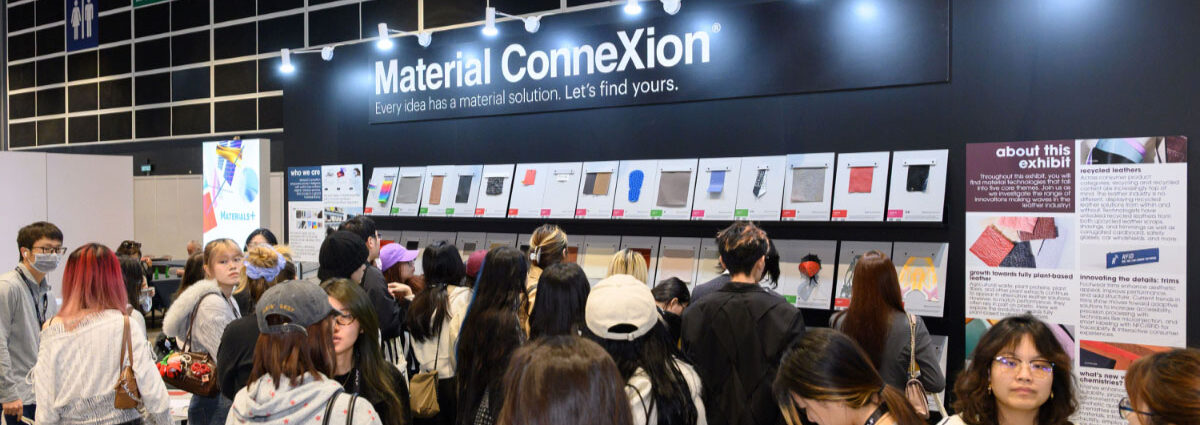
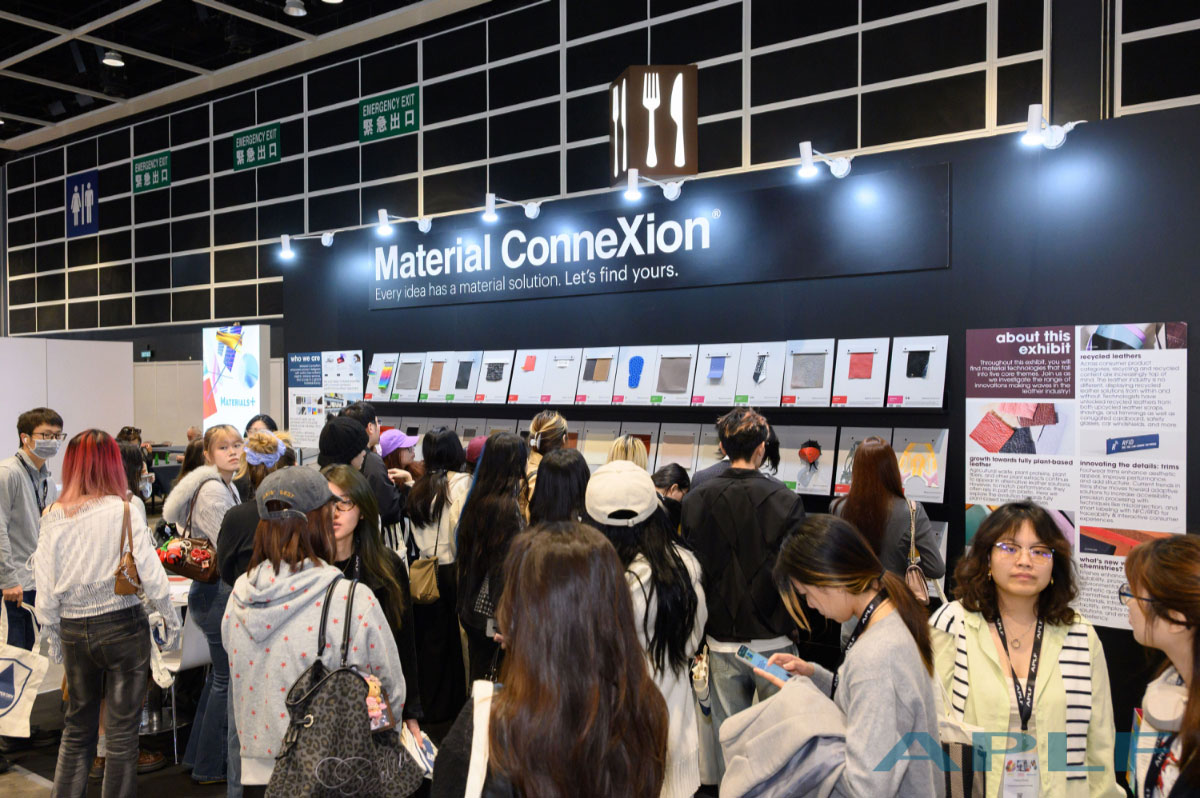
APLF 2026 took place March 12–14 in Hong Kong, bringing together suppliers and innovators from over 65 countries. Organized by region and expertise, the fair highlighted both established manufacturers and a new cohort of material innovators in the Materials+ section. Together, they signal a shift: leather is not being replaced but expanded into a broader ecosystem of material solutions.
Within this evolving landscape, innovations ranged from mycelium-based substrates designed for tanning to waste-derived chemistries, next-generation leather alternatives, and hybrid materials that merge multiple processing techniques.
Post Leather Solutions:
Post-leather materials are no longer trying to replicate leather. They embrace distinct aesthetics and differences in performance. This expanded portfolio offers new textures, finishes, and visual identities rooted in biology and waste-derived inputs. At the same time, compatibility with traditional processes (e.g., tanning and roll-to-roll processing) remains a priority, easing integration.
The opportunity is to treat these materials as new categories, to differentiate products visually and tactically, and to unlock storytelling through material origin and transformation rather than sustainability claims.
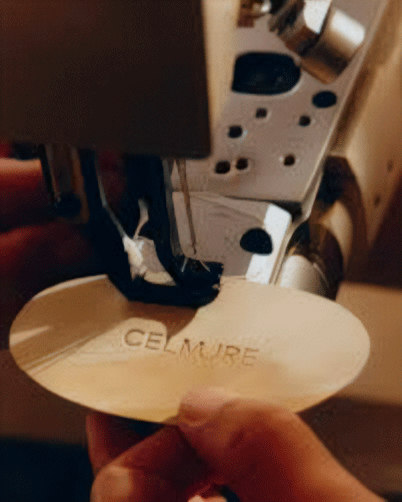
MYCEL INC – CELMURE – A mushroom mycelium material that is compatible with tanning and available untanned. It offers a fine texture and biodegradability for applications from fashion to interior design to mobility.

NUVI – This unique coated linen-viscose/cotton material is made using biopolymer formulations that integrate by-products and waste from plants to minerals. Each solution is made roll-to-roll and showcases the unique characteristics of the plants and minerals that they come from. From encapsulated flowers to pearlescent marble shine, each textile
NUVI – This unique coated linen-viscose/cotton material is made using biopolymer formulations that integrate by-products and waste from plants to minerals. Each solution is made roll-to-roll and showcases the unique characteristics of the plants and minerals that they come from. From encapsulated flowers to pearlescent marble shine, each textile
Innovations in Tanning & Finishing:
Alongside ongoing movement toward chrome and metal free tanning solutions, the shift away from bisphenols is accelerating, with viable low- and no-bisphenol syntans emerging. Vegetable tanning solutions are also seeing a renaissance with waste streams like olive wastewater, tea byproducts, and cherry blossoms becoming functional inputs. Performance is not sacrificed for sustainability with new chemistries maintaining or improving material properties.
These technologies increase access to lower-impact leathers that retain performance and align with stricter regulatory and brand safety standards.

Smit & Zoon – BioTan XP 01L – This phenolic retanning agent produces no detectable bisphenols (BPS, BPF, BPA, and BPB). It is a partially biobased and formaldehyde free solution.
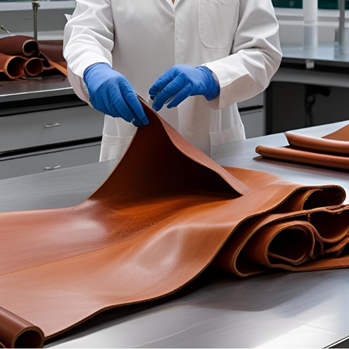
Cromogenia Units – RETANAL XDW – This sulphone-based retanning agent shows extremely low content of BPS and BPF, while still retaining performance.
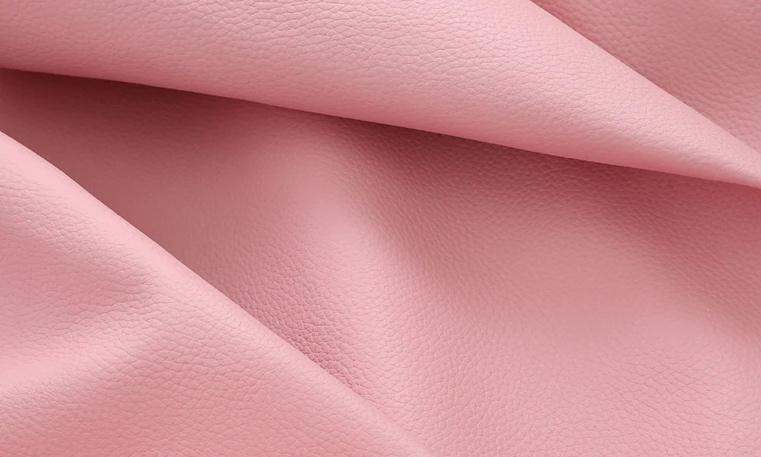
Kyoden Co., Ltd. – SAKURA – Leather tanned and dyed using extracts from cherry blossom trees. They reuse the pruned branches from these trees for the tanning agent and dye bath.
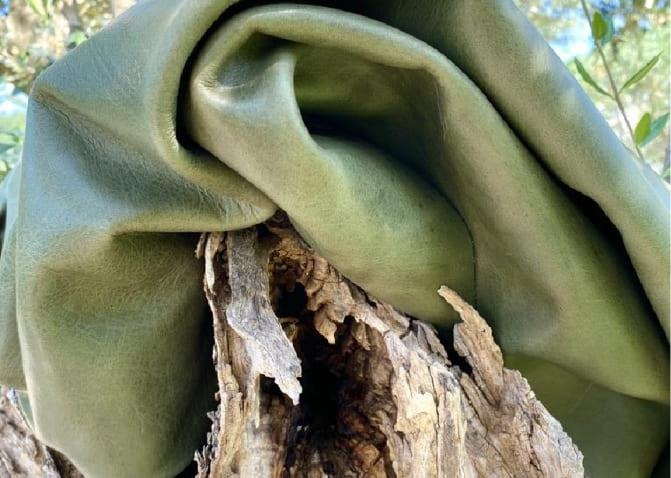
GSC Group – OMW leather technology – This patented technology transforms olive mill wastewater into a bio-based tanning technology.
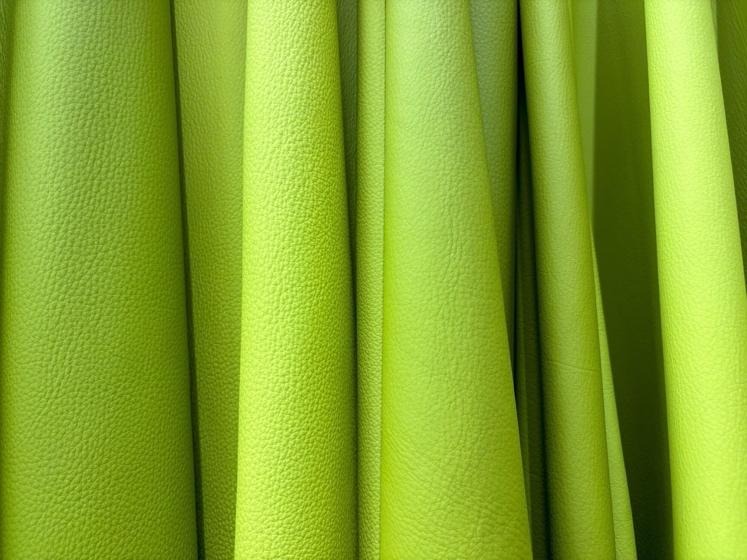
ROBICOCO – Matcha Leather – A leather tanned by reusing byproducts from matcha. The technology was developed in collaboration with Morihan (Kyoei Seicha Co., Ltd.), a long-established tea shop in Uji, Kyoto.

LAMIRSA – MIRECIDE-KAP Series – A portfolio of microencapsulated fungicides. These are designed for controlled release of actives that protect leather during processing, storage, and transport.
Alternative Leather Solutions:
Leather alternatives are advancing in performance, scalability, and process compatibility. Several have been designed using agricultural byproducts, like hemp, wood pulp, and fruit waste, signaling the increasing viability of these feedstocks. Additionally, continued investment from industrial players signals these materials are moving beyond experimentation and into scalable adoption.
With advances in non-leather performance, it is possible to specify vegan, petrochemical-free, and circular technologies without compromising durability.
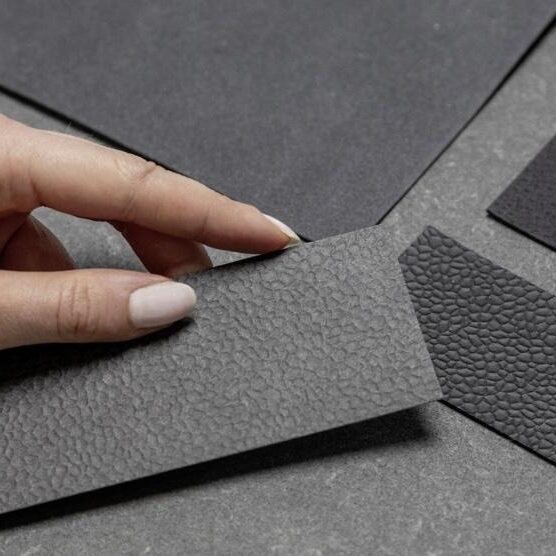
Volkswagen & Revoltech GmbH – VGHN – A vegan leather alternative made from 100% hemp from cannabis cultivation byproducts. Volkswagen partnered with Revoltech to design an automotive grade version of their LOVR technology. It was launched in the wake of Germany’s marijuana legalization and represents a leather-free, oil-free, vegan solution that is compatible with large-scale production.
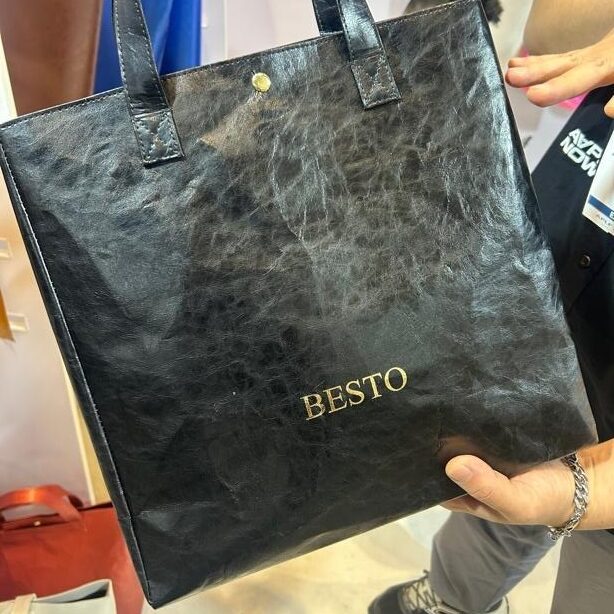
JIANGYIN BESTO SPECIAL PAPER BOARD CO., LTD. – Plant-based raw leather PLANTAIN – Alternative leather technology made from wood pulp. It is solvent and PVC free, maintaining the toughness of leather and the lightness of paper. The material is tear and fold resistant, washable, and compatible with sewing, die-cutting, and lamination.
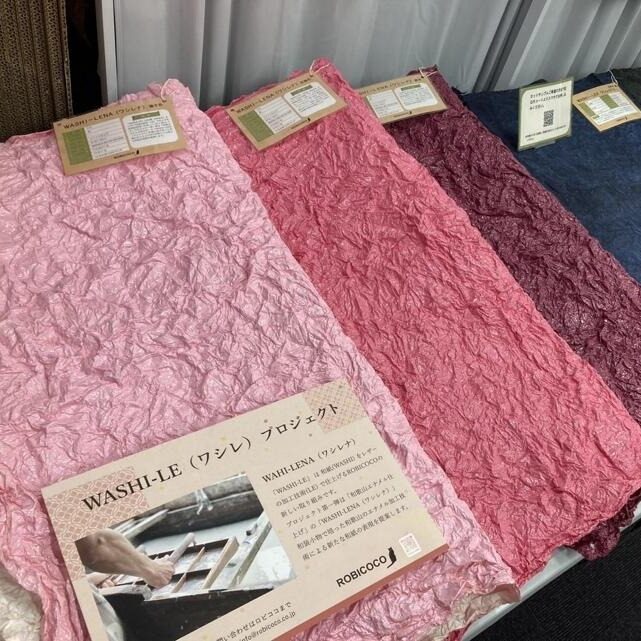
ROBICOCO – WASHI-LENA – This unique leather technology combines Japanese washi paper with leather processing. It features a crinkled, textured surface that is available in multiple colors. Additionally, the surface is coated using Wakayama enamel processing, giving the material a glossy finish.
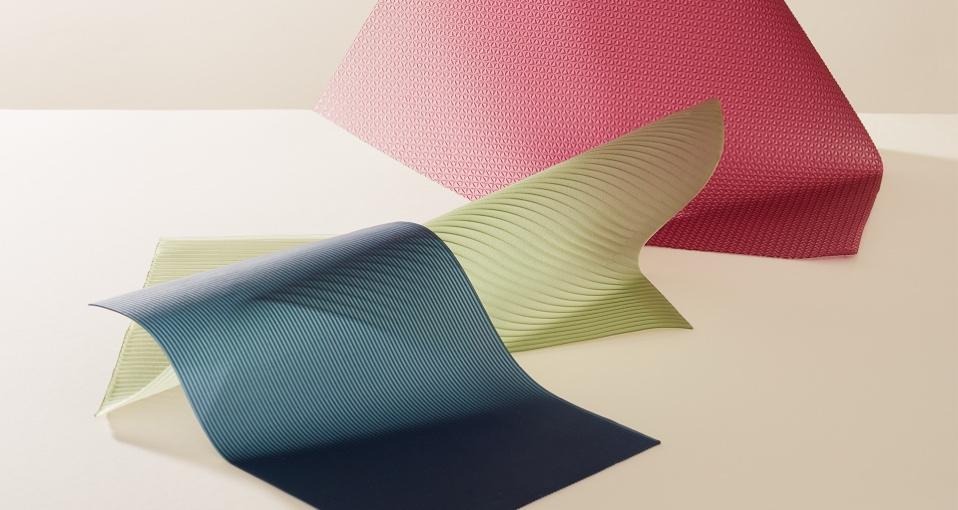
Peelsphere – This circular material technology transforms fruit waste and algae into a biodegradable, leather-like material. It is designed to promote sustainability by redefining waste as an alternative to animal and synthetic leather.
Innovations in Leather Materiality:
Leather materiality is being reimagined through hybridization, such as leather-wool combinations, and cross-industry finishing techniques. These approaches enable solutions that move beyond surface uniformity towards expressive, textile-like diversity. They combine traditional craft with experimental processes, elevating leather to new aesthetic heights.
For designers, these solutions blur the boundaries between textile and leather design, creating new forms, textures, and applications beyond conventional leather goods.
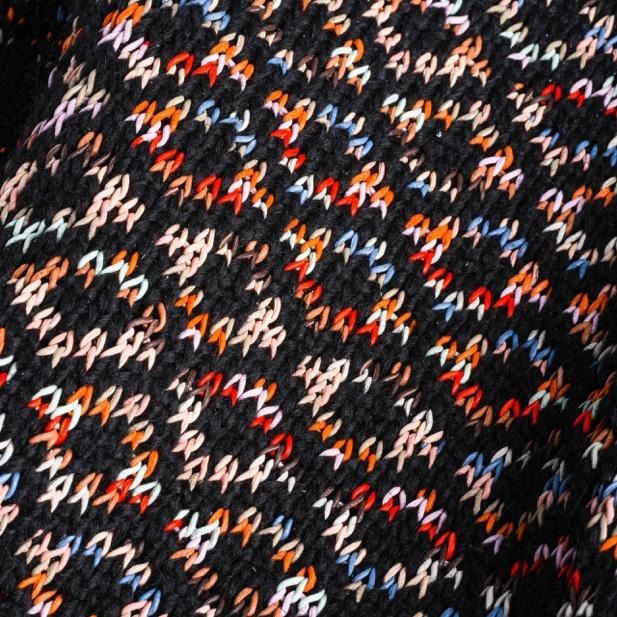
DAVID LEATHER EXPRESSIONS – WOOLEX – This leather knitting solution combines wool and leather to create a unique materiality. They can combine any color leather or wool, and the final knit textiles range from 15 – 50 cm wide by 6 – 200 cm long.
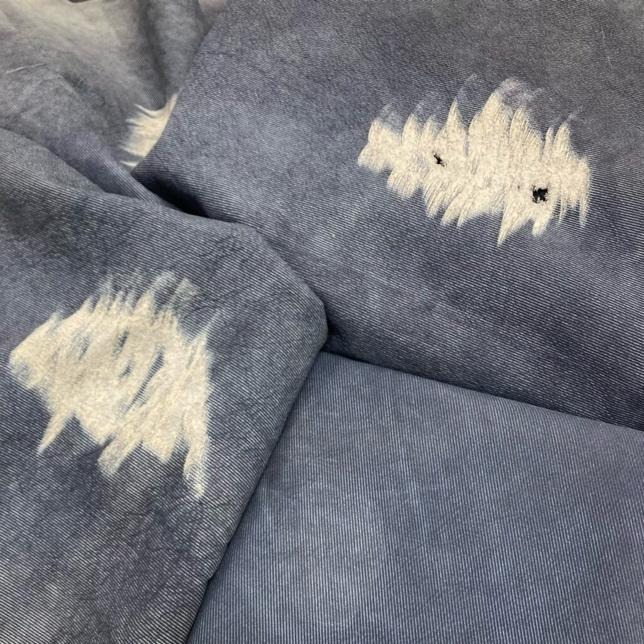
ROBICOCO – Denim Leather – A leather material distressed at a denim factory in Okayama, imbuing the leather with the color and finishing of denim textiles.
Non-Leather Solutions for Improved Sustainability & Performance:
Leather industry innovations extended beyond surface materials to include things like foams and engineered textiles. In some cases, they upcycled leather production byproducts to create high-performance solutions that imbue performance attributes like fire resistance and weight reduction.
These solutions empower designers to reduce environmental impact through component-level decisions, optimizing the entire system, not just the surface.
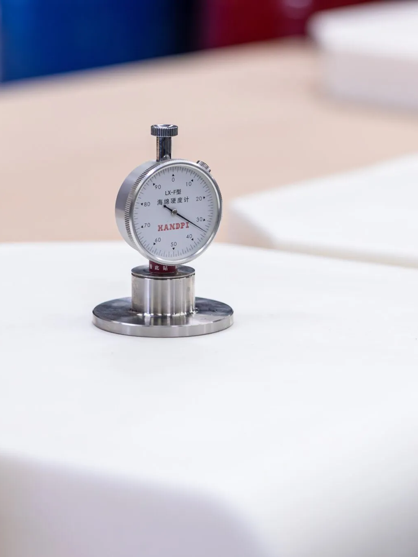
Bridge of Weir – BioPRO – This innovative foam leverages 20% protein content derived from Bridge of Weir’s leather production process. The added protein reduces weight, while rendering the material naturally fire-resistant. The formulation of the foam replaces chemicals like melamine, bromine, titanium phosphate, graphite, and PFAS. The foam is rated for use in automotive and aviation applications. It is recoverable and recyclable by way of acidolysis.

DongGuan RunZe Textile Co., LTD. – Engineered Textile Solutions – This manufacturer specializes in functional, engineered textiles, developing processes and chemistries that streamline product parts while delivering high performance.

Up until recently, the industry has framed progress as a binary: leather versus alternatives. But what emerged in Hong Kong suggests a more nuanced reality. Materials are no longer solely competing to imitate leather; they are carving out their own identities. At the same time, leather itself is evolving. Safer chemistries, novel inputs, and expanded material expressions expand the sustainability and materiality of this heritage material.
These shifts have important implications for designers. The question is no longer “What can replace leather?” but rather: “What is the right material for this application, this story, this performance need?” These questions capitalize on and broaden a new, dynamic material ecosystem that invites designers to think beyond categories and toward capabilities.
